
Photo by Colors Studios
"Strong Waves Don't Put Down Or Hurt Who Has Faith..."
Mari Fróes was born as Mariana Ferreira Fróes in 2003 in the city of Anápolis, in the Brazilian state of Goiás. Growing up surrounded by Brazilian music, she developed an early appreciation for songwriting, acoustic arrangements, and the rich musical traditions of Música Popular Brasileira (MPB), samba, and bossa nova. During her teenage years, long before achieving widespread recognition, she began sharing covers and performances online. Through social media and YouTube, she gradually attracted attention for her unusually mature voice, understated performance style, and ability to reinterpret classic Brazilian sounds with a contemporary sensibility. Rather than entering the music industry through television talent competitions or major-label promotion, Fróes built her audience organically, gaining listeners who were drawn to the intimacy and authenticity of her performances.
By 2019, while still in her mid-teens, Mari Fróes officially launched her recording career with the release of her first original singles, “Moça” and “Rosa e Laranja”. These songs introduced the defining characteristics of her musical style: soft acoustic instrumentation, introspective lyrics, and a deep, textured vocal tone that immediately distinguished her from many other emerging Brazilian artists. The singles quickly gained traction online, particularly among younger audiences seeking contemporary music rooted in traditional MPB influences. Critics and listeners alike were impressed by the emotional depth and maturity of her songwriting, especially given her age. Instead of following mainstream pop trends or relying on heavily produced arrangements, Fróes embraced a minimalist approach that placed her voice and songwriting at the forefront. This artistic choice helped establish her identity early in her career and positioned her within Brazil’s growing independent singer-songwriter scene. As her audience expanded throughout 2019 and into 2020, Fróes continued releasing music that strengthened her reputation as a serious young artist rather than merely an internet phenomenon. A major milestone came in 2020 with the release of her debut EP, "Nebulosa". Consisting of five tracks, the project quickly accumulated millions of streams across digital platforms and showcased a broader emotional and musical range than her earlier singles. Nebulosa blended folk-inspired acoustic arrangements with subtle samba rhythms and jazz-influenced harmonies, while exploring themes of longing, vulnerability, self-reflection, and emotional uncertainty. The EP demonstrated her ability to create a cohesive artistic work rather than simply releasing individual songs, and many listeners regarded it as the moment she fully emerged as one of the most promising voices in modern MPB. During the same period, she collaborated with Brazilian singer-songwriter Rodrigo Alarcon on the song “15b,” further strengthening her ties to Brazil’s contemporary independent music movement and introducing her work to broader audiences.
Throughout the early 2020s, Mari Fróes’ career steadily gained international momentum. Although she sang almost exclusively in Portuguese and remained deeply rooted in Brazilian musical traditions, her music resonated strongly with listeners beyond Brazil. Streaming platforms and social media played a central role in this expansion, allowing her emotionally expressive songs to connect with audiences regardless of language barriers. Her vocal style, atmospheric arrangements, and visual aesthetic created a sense of intimacy that translated across cultures. As a result, countries such as Portugal, France, Spain, Mexico, and Colombia became important parts of her growing fanbase. By this stage, she had established herself not only as a successful Brazilian artist but also as an international representative of a new generation of MPB musicians introducing Brazilian sounds to younger global audiences.
In 2023, Fróes reached another important stage in her career when her growing international popularity led to live performances and touring opportunities outside Brazil. One of the most significant developments that year was a European tour alongside fellow Brazilian artist Agnes Nunes. The tour introduced Fróes to larger international audiences and demonstrated that her appeal extended beyond digital platforms and streaming statistics. Her concerts became known for their simplicity and emotional intensity, often relying on minimal instrumentation that allowed her voice to remain the focal point of the performance. Both audiences and critics frequently praised her ability to create intimate atmospheres even in larger venues, a quality that became one of the defining characteristics of her live shows. Around the same time, clips of her performances began circulating widely on TikTok and Instagram, exposing millions of new listeners to her music.
During this period, one of the most significant breakthroughs of her career came when performances of “Figa de Guiné” began going viral across social media platforms. The song’s hypnotic rhythm, spiritual undertones, and emotionally immersive vocal delivery attracted international attention and transformed Fróes from a respected emerging MPB artist into a broader viral sensation. Unlike many songs that experience only temporary online popularity, “Figa de Guiné” encouraged listeners to explore her wider catalog, leading to renewed interest in earlier releases such as “Moça,” “Nebulosa,” and “Rosa e Laranja.” The song’s success reflected a broader shift in global music culture, in which audiences increasingly discovered international and non-English-language artists through streaming services and social media rather than traditional radio promotion. Fróes benefited from this trend while maintaining an artistic style that remained understated and authentic rather than overtly commercial. As her reputation continued to grow internationally, Fróes received additional exposure through an appearance on COLORS, the globally recognized music platform known for showcasing artists in minimalist visual settings. Her performance of the Brazilian classic “Gabriela” introduced her to an even wider audience and reinforced her reputation as an artist capable of captivating listeners through subtle emotional expression rather than elaborate production or theatrical presentation. The appearance highlighted the same qualities that had defined her work from the beginning: emotional sincerity, rich vocal texture, and a deep connection to Brazilian musical traditions interpreted through a modern lens.
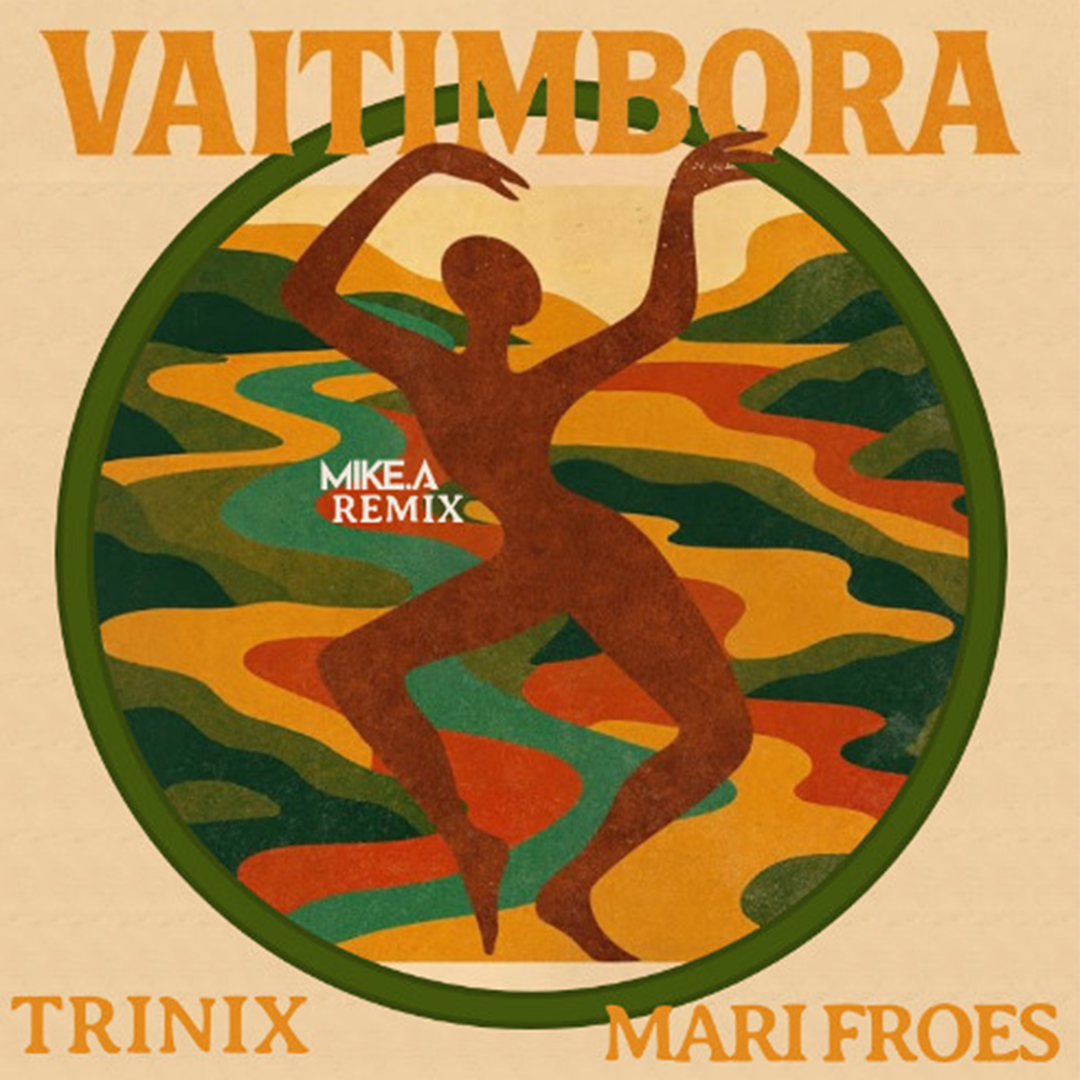
By 2025, Mari Fróes achieved another major milestone through her collaboration with the French electronic duo Trinix on the track “Vaitimbora.” The song combined Brazilian musical influences with Afro-house and contemporary electronic production, becoming one of the most internationally successful releases of her career. “Vaitimbora” gained significant traction on streaming platforms, social media, and international playlists, introducing Fróes to listeners who may never have encountered MPB or Brazilian acoustic music before. The collaboration demonstrated her versatility as an artist, showing that she could adapt her voice and style to electronic production without sacrificing the emotional intimacy that had become her trademark. Rather than abandoning her musical identity in pursuit of crossover success, she successfully integrated modern electronic elements while preserving the warmth and subtle emotional depth that had attracted audiences to her work from the outset.
Despite still being in the early stages of her career, Mari Fróes has already established herself as one of the most significant emerging artists in contemporary Brazilian music. Her rise reflects broader transformations within the global music industry, where artists can independently build international audiences through streaming platforms and social media while remaining deeply connected to their local musical traditions. Throughout her career, Fróes has consistently prioritized emotional authenticity, minimalist songwriting, and musical sophistication over commercial formulas and short-term trends. Drawing from the legacy of classic Brazilian music while speaking to a younger global generation seeking intimate and emotionally resonant artistry, she has emerged as one of the defining voices helping carry MPB into a new era.
Written by: @Arriv3r
Edited by: @Arriv3r
Insight.


