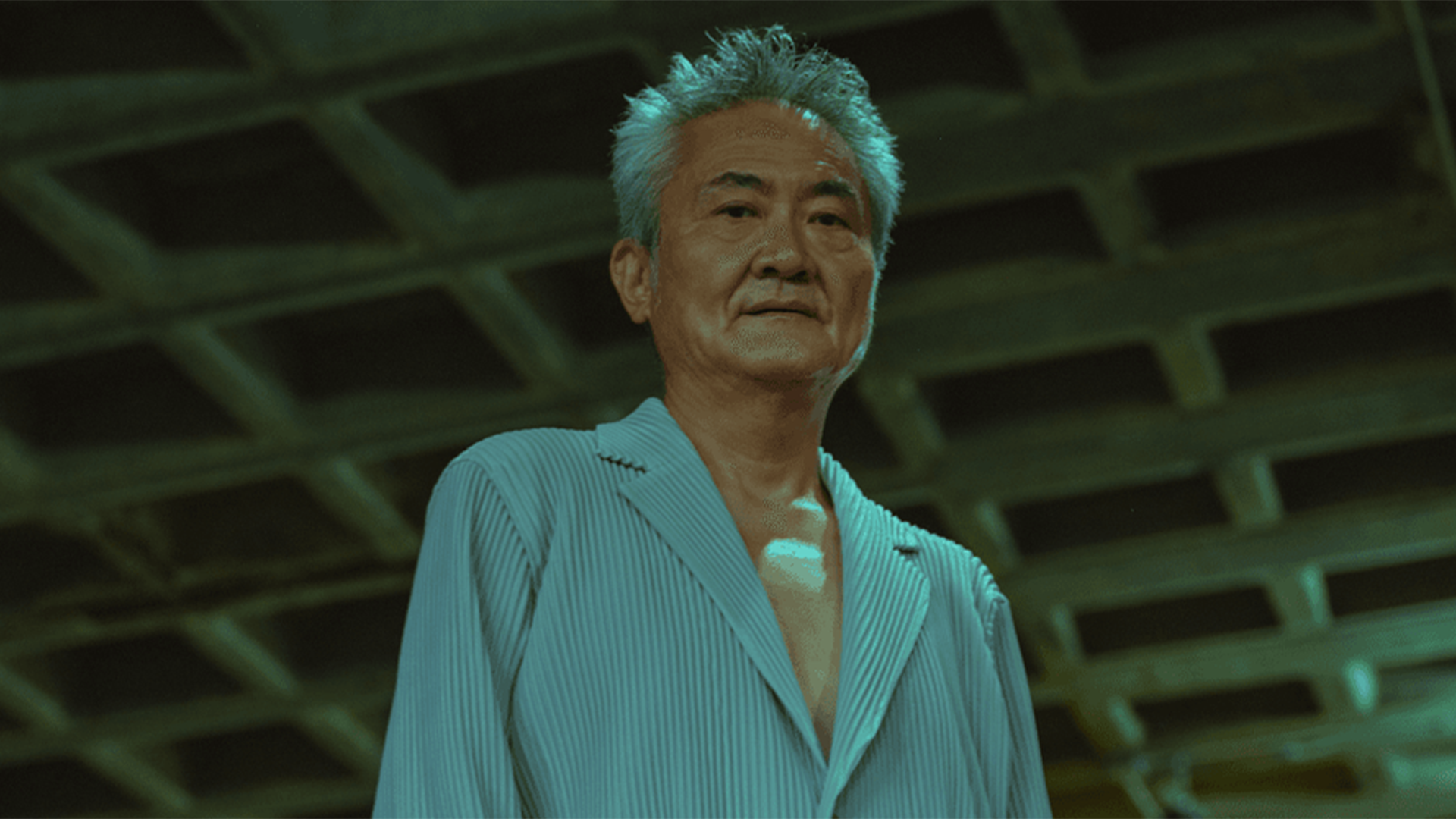
Photo by Sonar
“Somewhere Between Breath And Machine…Memory And Signal…”
Displacement, in today’s cultural landscape, is no longer defined by absence but by construction. In a world driven by acceleration; where ideas, sounds, and identities circulate rapidly across digital and physical spaces, belonging is no longer fixed or inherited in a singular form. Instead, it is negotiated, stretched, and continuously reformed through experience and exposure. A liminal state where identity is shaped not by a single origin, but by movement itself. It is within this framework that Takuya Nakamura’s career can be most clearly understood. His work does not sit comfortably within borders; rather, it exists in the shifting spaces that connect them, reflecting a life and practice defined by transition.
Primarily known as a trumpeter, composer, and producer, Nakamura has built a body of work that resists easy categorization. While many artists are defined by genre, Nakamura moves through them, treating jazz, electronic, and experimental music not as fixed traditions but as malleable materials. His approach is less about fusion in the conventional sense and more about transformation, imagining how sound can function when freed from expectation. Born in Japan, he grew up in an environment where both Western and Japanese musical traditions coexisted. This early dual exposure did not create division but instead laid the foundation for a sensibility rooted in hybridity. Jazz, with its emphasis on improvisation and expressive freedom, became central to his artistic development. The trumpet emerged as his primary instrument, yet it functioned as more than a tool; it became a means of articulating a fluid and evolving identity.
During the late 1980s and early 1990s, Nakamura began establishing himself within Japan’s jazz scene, earning recognition for his technical precision and creative instincts. However, even as his reputation grew, there was a clear awareness that remaining within a single cultural and musical context could become limiting. His ambitions extended beyond mastery of tradition; he sought expansion, dialogue, and new forms of interaction. This realization led to a pivotal decision that would redefine his trajectory with his relocation to New York City in the early 1990s.
New York represented more than opportunity; it functioned as a site of transformation. Long regarded as a global hub for jazz and experimental music, the city offered a density of influences that challenged and reshaped Nakamura’s understanding of sound. Genres did not exist in isolation here. Avant-garde jazz intersected with hip-hop, electronic production began altering compositional structures, and underground scenes fostered constant innovation. Immersed in this environment, Nakamura began to refine a signature approach that integrated acoustic trumpet with electronic textures and production techniques. This was not simply a stylistic choice but a conceptual shift—one that blurred the boundaries between the organic and the synthetic, the traditional and the contemporary.
His early years in New York were defined by involvement in underground and experimental music circles, where collaboration served as both method and philosophy. Nakamura worked with artists across a wide range of genres, gaining recognition not only as a skilled trumpeter but also as a forward-thinking producer. His openness to experimentation allowed him to move fluidly between live performance and studio work, often incorporating electronic elements into compositions in ways that were still relatively uncommon within jazz at the time. This willingness to explore positioned him at the forefront of a broader shift in contemporary music.
A significant milestone in Nakamura’s career came with his association with the band Jazzhole in the mid-1990s. The group’s sound—an intricate blend of acid jazz, trip-hop, and electronic influences—captured a moment when genre boundaries were beginning to dissolve. Nakamura’s contributions were central to this identity, adding layers of texture and atmosphere that helped define the group’s sonic landscape. Jazzhole’s music resonated with audiences seeking something innovative and genre-defying, and the project brought Nakamura broader recognition while demonstrating his ability to maintain a distinct artistic voice within collaborative frameworks.
Following his work with Jazzhole, Nakamura continued to expand his reach through a diverse array of collaborations. His association with the Soulquarians—a loosely connected collective known for redefining soul, hip-hop, and R&B—placed him within a network of artists committed to pushing creative boundaries. Within this context, Nakamura contributed both as a trumpeter and producer, lending his distinctive sound to projects that challenged conventional distinctions between mainstream and experimental music. His work within this collective further emphasized his adaptability and his commitment to exploration.
Throughout the late 1990s and early 2000s, Nakamura’s career reflected a remarkable versatility. He was not confined to a single role or identity; instead, he moved between being a session musician, a bandleader, and a producer, with each role informing the others. His trumpet playing could be both prominent and subtle, adding melodic clarity or atmospheric depth depending on the context. At the same time, his production work revealed a nuanced understanding of rhythm, texture, and spatial composition. His solo projects during this period provided an outlet for more personal expression, emphasizing the interplay between live instrumentation and electronic soundscapes. These works created immersive listening experiences that challenged traditional genre classifications while maintaining a strong emotional core.
As digital technology continued to reshape the music industry in the 2000s, Nakamura embraced these changes with characteristic openness. He incorporated advanced production techniques, including sampling, looping, and digital processing, into his work. This adaptability ensured that his music remained relevant within an increasingly dynamic landscape while also allowing him to reach broader audiences. His live performances during this period became known for their energy and unpredictability, blending improvisation with structured composition. By integrating electronic elements into his live setups, he was able to recreate the layered textures of his recordings while preserving the spontaneity that defines his approach.
In the 2010s, Nakamura continued to evolve while maintaining a strong presence across both underground and more visible musical contexts. He collaborated with emerging artists as well as established figures, demonstrating a willingness to engage with new ideas and perspectives. His role as a cultural bridge became increasingly evident, as his work reflected a synthesis of influences drawn from both Japan and the United States. This synthesis was not superficial but deeply considered, rooted in an ongoing engagement with diverse musical traditions.
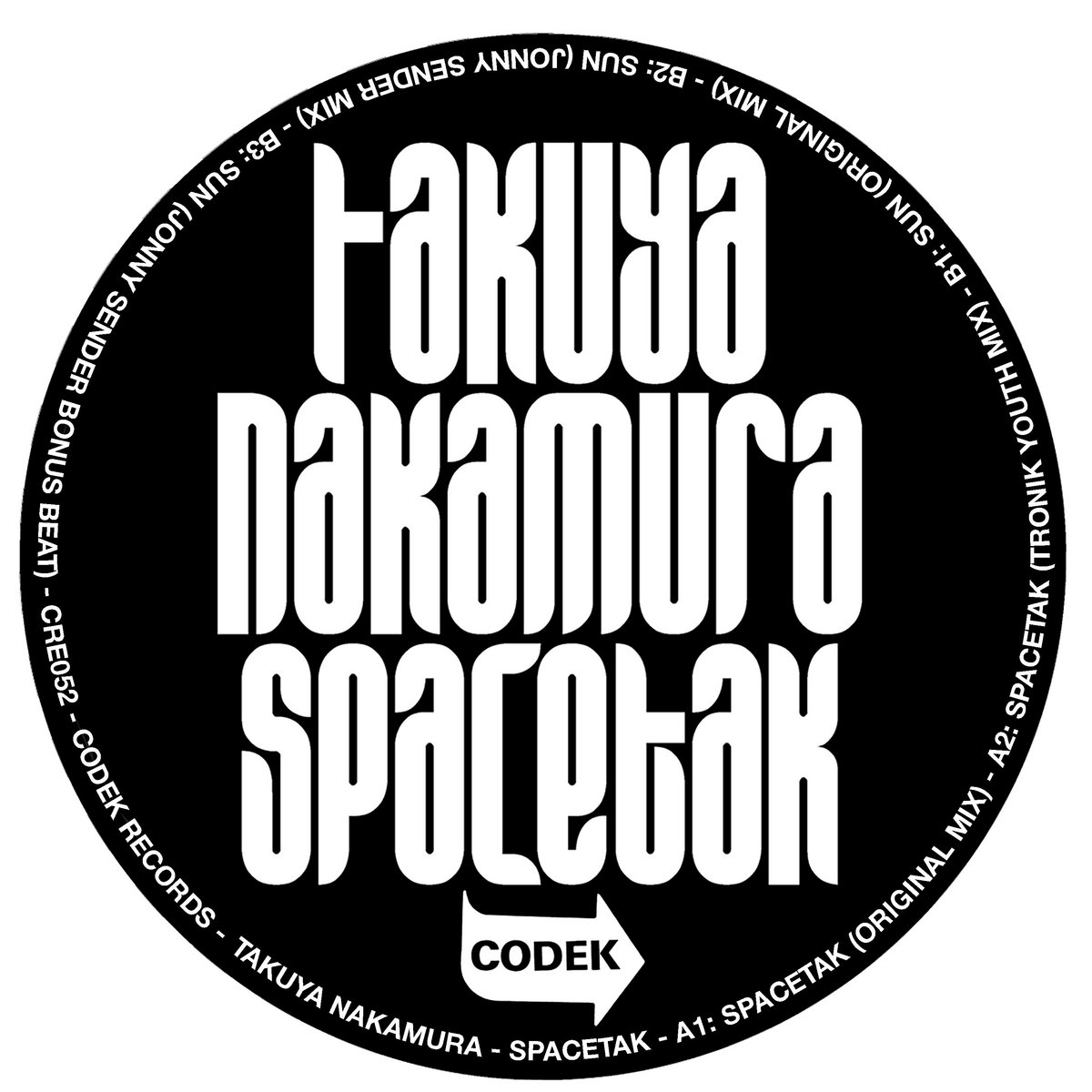
In recent years, Nakamura has remained committed to innovation, exploring new formats and mediums while staying true to his core artistic principles. His career cannot be reduced to a single defining moment or achievement; instead, it is characterized by a continuous process of exploration, collaboration, and reinvention. From his early beginnings in Japan to his influential role in New York’s music scene and beyond, he has consistently expanded the possibilities of what a musician can be.
Ultimately, Takuya Nakamura’s work reflects the evolving nature of identity in a globalized world. His music exists within the “in-between,” where boundaries dissolve and new forms emerge. By embracing change and resisting confinement, he has created a body of work that is both innovative and deeply resonant. His journey offers insight into the power of movement—across cultures, genres, and ideas—and its ability to shape not only an artist’s identity but the broader landscape of contemporary music itself.
Written by: @Arriv3r
Edited by: @Arriv3r
Insight.


